Real Employee Workflows in Action
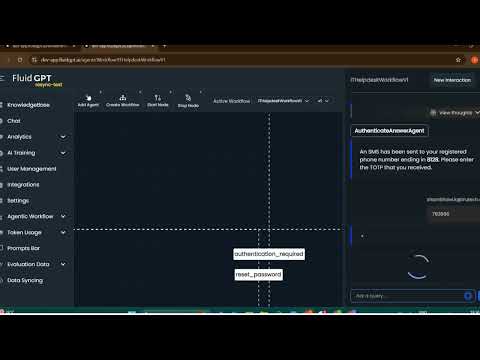
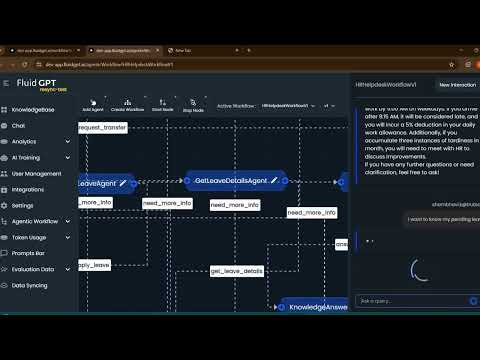
What AI Handles Internally
Answers employee queries
HR, IT, policies
Executes workflows
Resets, approvals, requests
Automates tickets
Reduces workload
Guides employees
Onboarding, processes
AI for HR Teams
AI for IT Teams
Instant Support, Zero Friction
Employees get answers immediately -- without waiting, escalating, or searching across systems.
Ask in natural language
On Slack, Teams, or chat
AI finds the answer
From knowledge bases and systems
Action executed
Ticket created, request fulfilled
The Impact
Faster response time
More queries resolved
Lower ticket volume
Employee satisfaction
Works With Your Internal Systems
Built for Enterprise Security
On-Prem
Maximum data control
Private Cloud
Secure and isolated
Role-Based Access
Granular permissions
Frequently Asked Questions
Fluid AI deploys AI agents that handle common IT requests like password resets, account unlocks, VPN troubleshooting, and software provisioning -- resolving 70% of tickets without human intervention. Complex issues are seamlessly escalated to IT staff with full context and diagnostic data.
Yes. Fluid AI handles leave balance checks, payroll queries, benefits enrollment, policy lookups, onboarding guidance, and HR request tracking. It connects to your HRMS (Workday, SAP, Darwinbox) to pull real-time data and execute workflows like leave applications and reimbursement requests.
Fluid AI provides pre-built connectors for ServiceNow, Jira, Zendesk, and other ITSM platforms. It can create, update, and resolve tickets automatically, route issues to the right teams, and pull ticket status for employees -- all through natural language conversations on Slack, Teams, or chat.
Yes. Fluid AI supports 50+ languages for employee interactions, enabling global workforces to get support in their preferred language. This is particularly valuable for enterprises with distributed teams across regions.
Fluid AI is SOC2 Type II and ISO 27001 certified with role-based access control, data encryption at rest and in transit, audit logging, and SSO integration. On-premise deployment is available for organizations requiring maximum data sovereignty.